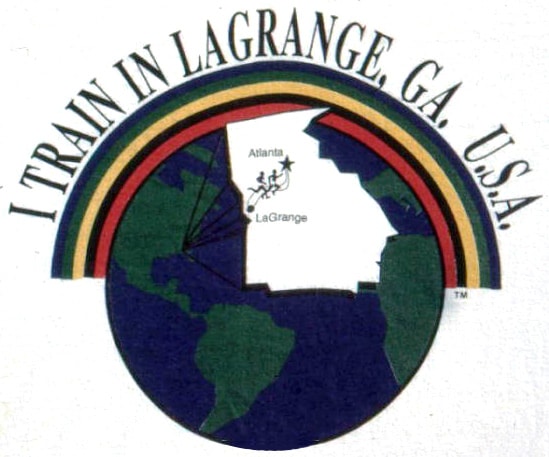
In the heart of Georgia, LaGrange warmly welcomed Olympic athletes training for the 1996 Summer Olympics. With its picturesque setting and deeply supportive community, the city became more than just a training ground—it became a place where lasting connections were formed and where athletes found encouragement at every step.
It was the summer of 1996 in a former cotton mill town just 60 miles southwest of Atlanta. The sweltering heat and humidity of a Southeastern June made it nearly unbearable to be outside, but beneath the shade of Georgia pines, hundreds of determined athletes from more than 40 countries trained on a track in LaGrange for the competition of their lives.
If the spirit of the Olympics is to foster a more peaceful, understanding world, what better place to begin than in a small town? At the time, LaGrange had a population of around 26,000, and few could have imagined the global impact the Olympics would have on their community.
The “I Train in LaGrange” program brought athletes from across the world—including South Africa, Saudi Arabia, Qatar, and Swaziland—to call LaGrange home in the weeks leading up to the Games. Many stayed in dorms at LaGrange College, while a specialized training track was constructed on Fort Drive behind the former Whitesville Road Elementary School. It was here that Olympians spent hours each day preparing for competition.

Bringing Home to the World
Of the 48 Georgia communities that hosted Olympic training camps, LaGrange stood out for its intentional effort to connect athletes with the local community. Former mayor Chris Joseph championed the idea of building meaningful relationships between residents and visiting athletes.
Through these efforts, a local track and field program for children was established through the Troup County Parks and Recreation Department—creating a legacy that continues today. LaGrange remains one of the few track and field centers associated with the International Olympic Committee.
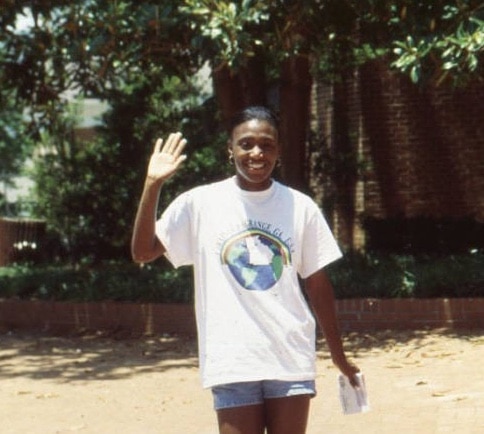
During their time in LaGrange, athletes embraced small-town life—visiting churches, sharing meals in local homes, and participating in community events. Many also spent time in local schools, running alongside children in the LaGrange Track Club and offering a glimpse into cultures from around the world.
A Culture of Hospitality
In return, LaGrange residents welcomed athletes into their daily lives through the “Adopt an Athlete” program. Families hosted outings around town—from casual trips to grocery stores to meals at local pizza spots—offering a genuine introduction to American life.
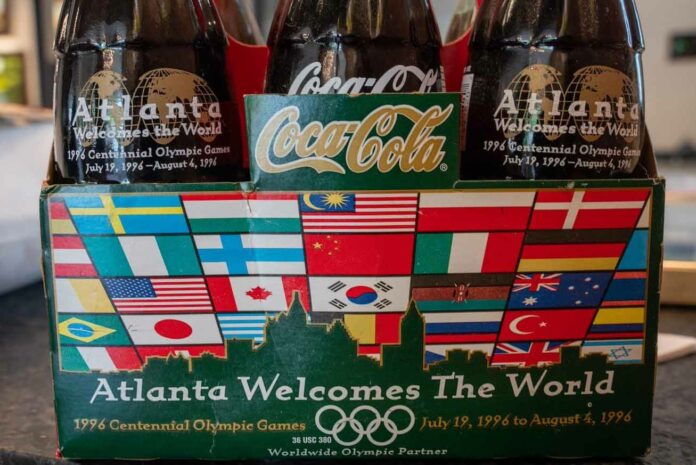
The exchange left a lasting impression on both sides. While the Olympics brought a global presence to LaGrange, the city’s warmth and hospitality left an equally meaningful mark on the athletes who trained here.
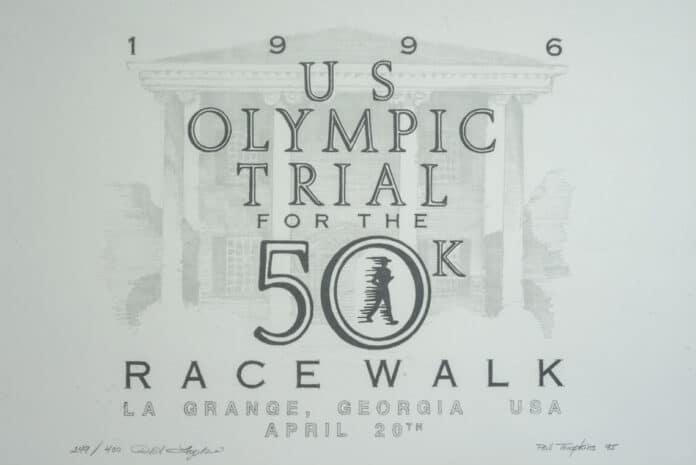
LaGrange also played a role in race walking, a competitive long-distance event requiring athletes to maintain continuous contact with the ground. Olympic trials for the sport were held in southwest LaGrange and on the campus of LaGrange College—further connecting the city to the Games.
Passing The Torch
For many in LaGrange, the Olympic experience became even more personal through the Torch Relay. Several local residents had the honor of carrying the Olympic flame, a longstanding symbol of peace and unity.
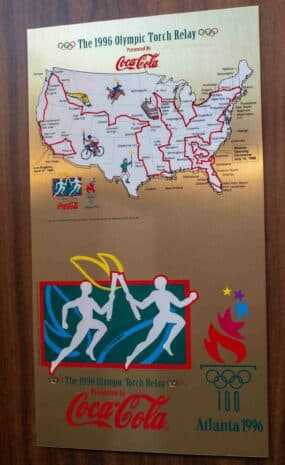
The relay itself traces back to ancient tradition, with the modern flame traveling across countries and communities before arriving in the host city. In 1996, the torch began its U.S. journey in California and traveled more than 15,000 miles before reaching the Georgia-Alabama border.
In LaGrange, the flame was passed among 23 local residents—including former mayor Chris Joseph—as it made its way down New Franklin Road, past familiar landmarks, and onward toward Atlanta. The moment remains a powerful memory for those who witnessed it.

Local Legacy
The impact of the Olympics continues to shape LaGrange today. As the city grows and evolves, its creative community continues to draw inspiration from this unique chapter in its history.
One example can be found in the city’s public art initiative, where traffic control boxes have been transformed into vibrant works of art. What were once overlooked elements of infrastructure now serve as storytelling pieces—highlighting LaGrange’s heritage through thoughtful design.
From tributes to Horace King to visual interpretations of the city’s evolution, each installation offers a deeper connection to place. Many even feature QR codes, allowing visitors to learn more about the stories behind the artwork.
Among these designs, one box pays tribute to the 1996 Olympic Games—honoring the athletes, the community, and a moment in time when LaGrange welcomed the world.