
Religious institutions have played a defining role in the development of Troup County. These historic churches not only reflect the region’s spiritual roots, but also tell the story of community, resilience, and connection across generations.
Throughout the South, churches have long served as more than places of worship—they were centers for education, social gatherings, political meetings, weddings, and celebrations. Many of Troup County’s churches date back to the 1800s and feature striking architecture that still stands today.
The earliest congregations in the area were established in the late 1820s and 1830s. Following the Civil War, the number of churches grew significantly as African American communities formed their own ministries. A third period of growth came with the rise of textile mills in areas like Hillside, bringing new families and congregations to the region.
Today, these historic churches remain meaningful spaces for reflection, connection, and a deeper understanding of LaGrange’s past.
Warren Temple United Methodist Church
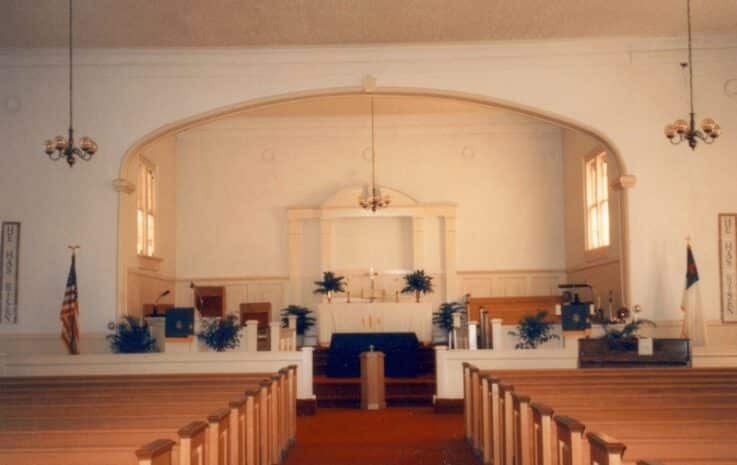
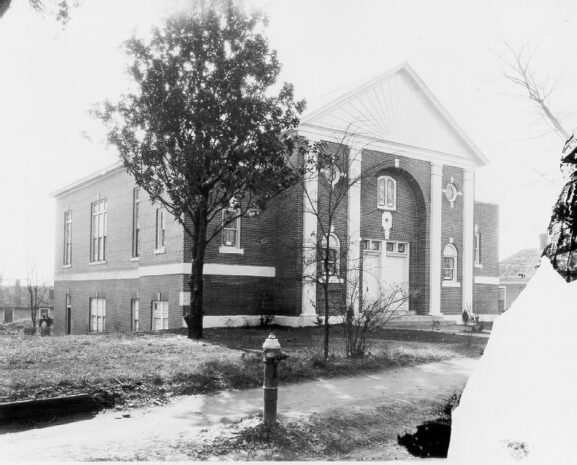
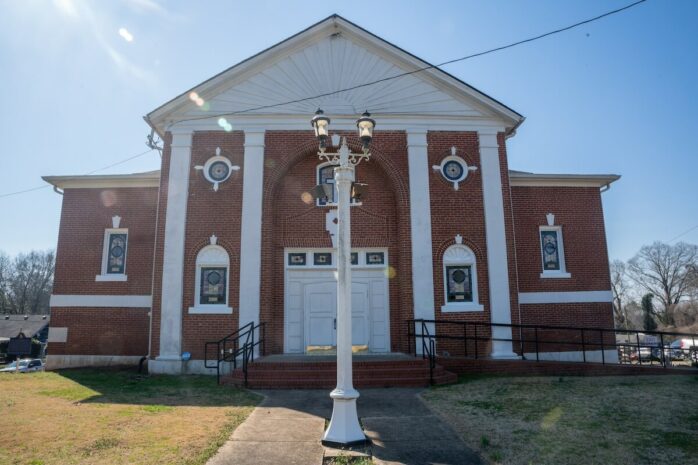
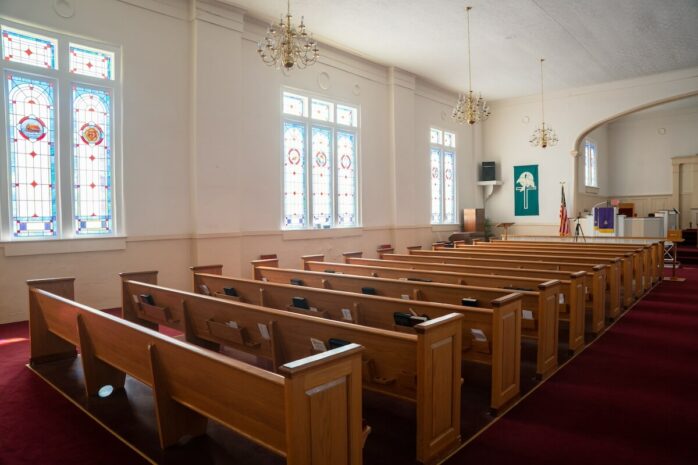
Warren Temple United Methodist Church stands as a cornerstone of LaGrange’s history—particularly within the African American community.
Its story begins in the mid-1800s, when both free and enslaved people of color were allowed to worship in local churches, though in segregated spaces. After the Civil War, many sought a place of their own. With the help of Rev. John H. Caldwell, a church was established off of Hill Street in 1870.
The church’s first minister, Rev. Peter Abram Heard, was a white plantation owner, but leadership soon transitioned to Black ministers as the congregation grew.
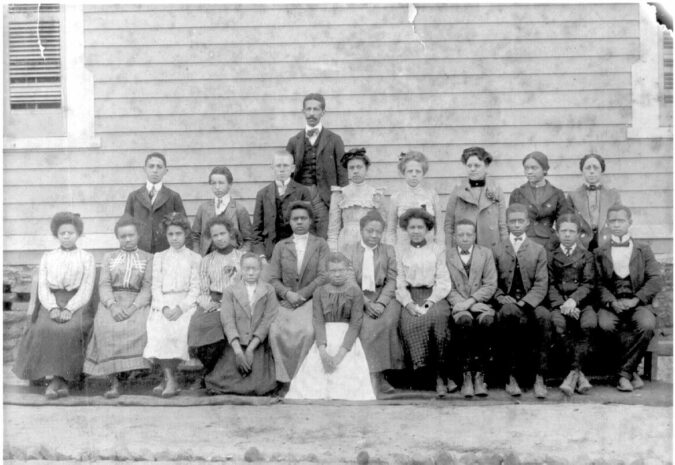
In 1873, John T. King, son of Horace King, joined the church and quickly became a key leader, second only to the minister.
The church was renamed in honor of Henry White Warren, a White Methodist Bishop from Philadelphia who spoke to both the White and Black congregations when he visited in 1882. That same year, Rev. S. C. Upshaw became its first appointed Black minister.
Warren Temple also played a vital role in education. It was the first in the community to offer spelling classes for people of color. In 1875, with support from John King and other Black leaders, the church helped secure funding for a school for Black students. This school operated within the church until its own building was completed in 1877, eventually becoming Hill Street School, with King serving as its longtime superintendent.
As its influence grew, so did its impact. Warren Temple hosted the meeting where LaGrange’s first NAACP chapter was formed, in response to the lynching of Austin Callaway. That chapter remains active today.
Over the years, the church has undergone several changes, including a major restoration in 2003 that returned the sanctuary to its original character. Today, it remains an active congregation and a powerful symbol of faith, education, and social progress in LaGrange. It is located at 416 E Depot Street.
St. Peter’s Catholic Church
The site of St. Peter’s Catholic Church carries a layered industrial and cultural history. Originally owned by Godfred Kener, a Bavarian immigrant, the land was home to his sawmill and furniture factory established in the 1840s.
Notably, the facility was one of the few industrial sites in the area not destroyed during the Civil War, as it was used to produce coffins.
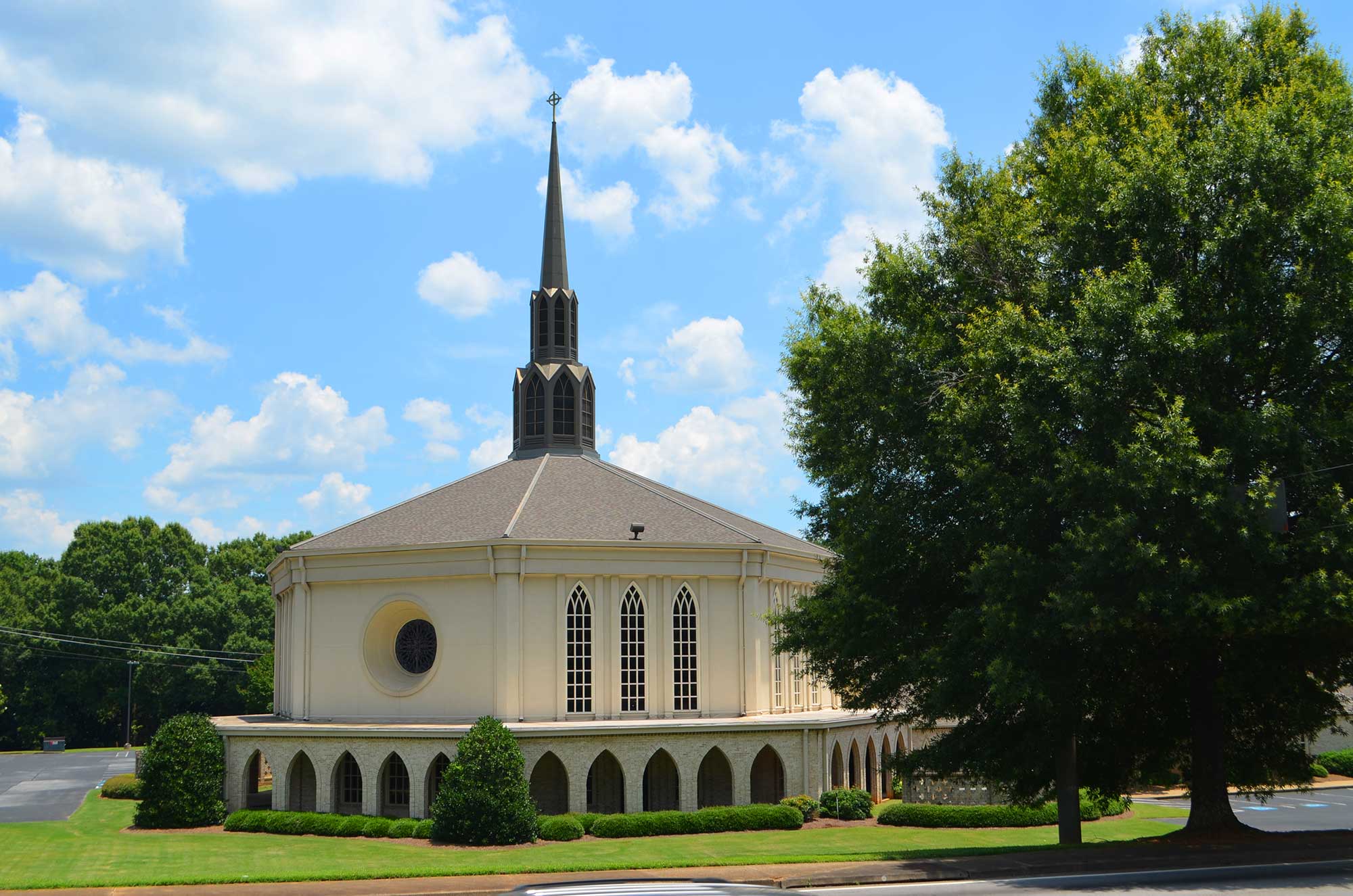
By 1888, the site had transitioned into LaGrange’s first textile mill. The mill and surrounding structures were eventually demolished in 1986, making way for the construction of St. Peter’s Catholic Church, which now occupies the property.
Visit St. Peter’s and the former site of LaGrange Mills at the southeast corner of Morgan Street and Lafayette Parkway.
Long Cane Baptist Church
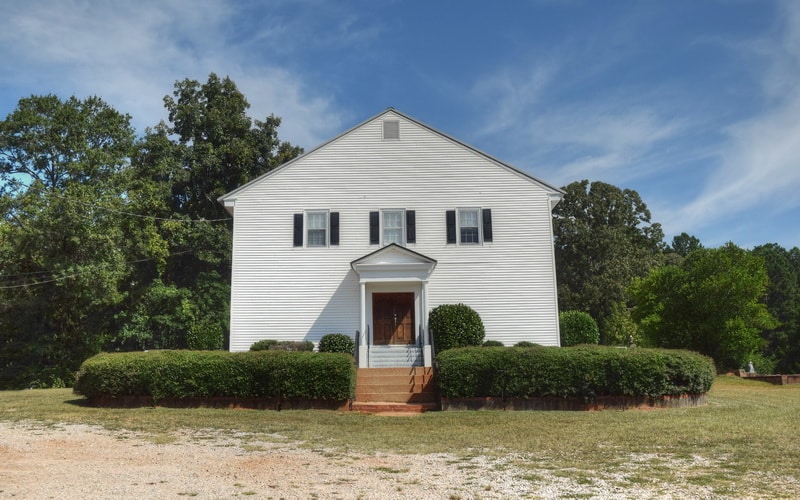
Long Cane Baptist Church is home to the oldest church building in Troup County. Constructed under the leadership of Reverend James Reeves, the building stands as a testament to early religious life in the region.
Originally, both Baptist and Presbyterian congregations shared the same meeting grounds, worshipping together in this space. Today, the church’s pews and floorboards reflect more than 150 years of continuous history and community.
Visit Long Cane Baptist at 5458 W Point Road in LaGrange.
Flat Shoals Baptist
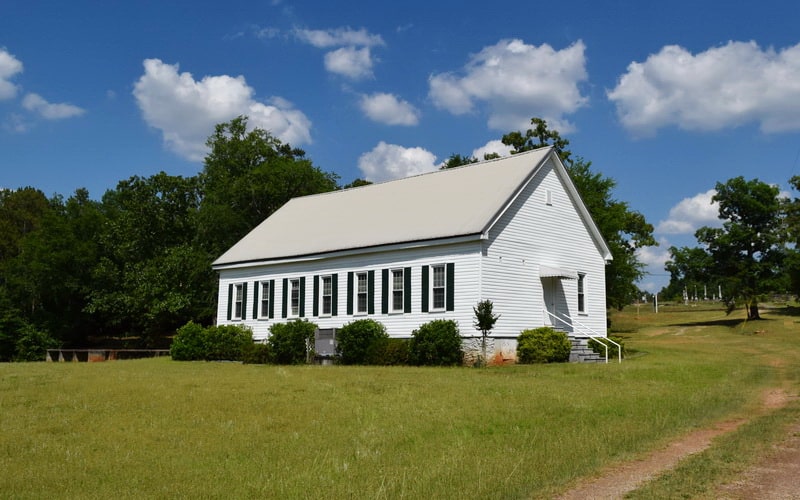
Flat Shoals Church was organized in 1829 under the name Smith’s Meeting House. The following year, it was renamed Flat Shoals Church, and construction of the original structure took place between 1832 and 1836.
The church grounds also include a historic cemetery where many of Troup County’s early settlers are buried, offering a tangible connection to the area’s earliest generations.
Flat Shoals Church can be found at 2458 Salem Road in neighboring Pine Mountain.
These historic churches offer not only architectural beauty, but also a meaningful glimpse into the people, traditions, and stories that shaped Troup County. Whether you’re exploring for history, reflection, or curiosity, each stop adds another layer to the story of LaGrange.